The concept, its six pillars, and how Singapore turned a whole country into a real-scale smart city laboratory.
Smart cities By Smartcity Projects · Singapore · 7 October 2026 · 6 min read
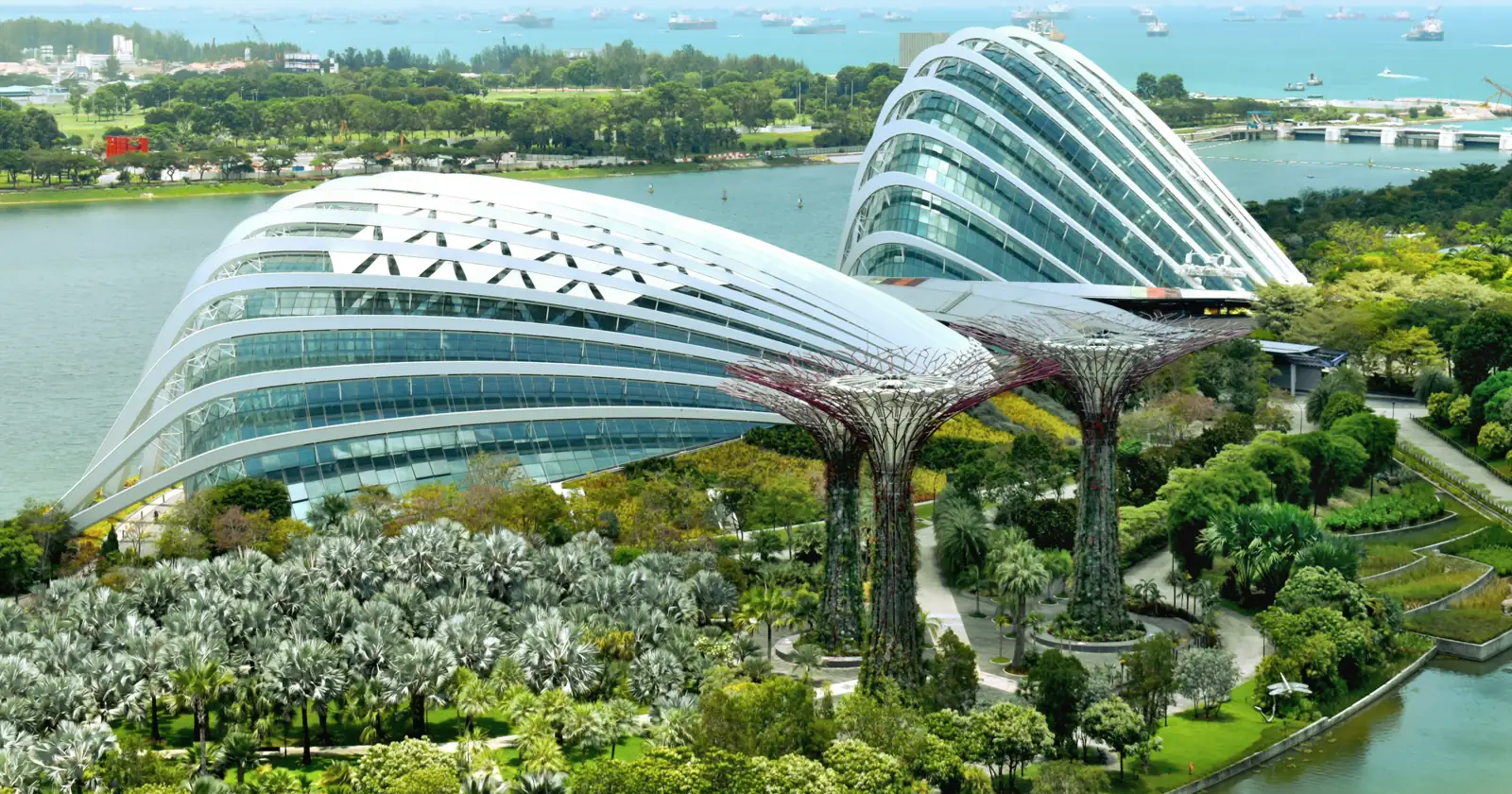
More than half of the world’s population already lives in cities, and the share keeps growing. Traffic, pollution, energy use and housing are challenges that cities cannot solve with more asphalt and concrete alone. That is why smart cities are becoming part of every urban plan.
But what exactly is a smart city? And why is Singapore always the example everyone points to? This article explains the concept, its pillars and how Singapore’s Smart Nation strategy works. Singapore ranks 9th out of 148 cities in the IMD Smart City Index 2026.
What is a smart city?
A smart city uses technology and data to improve its residents’ quality of life, manage its resources better and reduce its environmental impact. It is not about filling the streets with screens. It is about technology solving real problems: less congestion, cleaner air, faster public services and buildings that use less energy.
IMD, which publishes one of the reference rankings, measures how far technology helps a city deliver a better quality of life, and it does so by asking residents themselves. In other words, a city is not smart because of the technology it installs, but because of what that technology changes in people’s daily lives.
The pillars of a smart city
- Mobility: connected public transport, traffic lights that adapt to traffic, cycle lanes and secure parking for bicycles and scooters.
- Environment: air quality monitoring, materials that reduce pollution, efficient water and waste management.
- Buildings and energy: sustainable construction, low-energy buildings and renewable energy.
- Digital government: online services, digital identity and open data.
- Safety and health: sensors, better-coordinated emergency response and telemedicine.
- Public space and community: squares, street furniture and public art that make the city more pleasant and liveable.
The key is that these pillars do not work in isolation. Mobility data helps reduce pollution, and good urban design encourages people to walk and cycle.
Smart Nation: Singapore’s strategy
Singapore launched its Smart Nation initiative in November 2014. The goal was ambitious: not to make a few districts “smart”, but the whole country. With around 730 km² and more than five million residents, Singapore works as a real-scale laboratory.
From 2014 to Smart Nation 2.0
In its first decade, the country digitalised its public services and daily life:
- Digital identity (Singpass): residents deal with government agencies and businesses from their phones.
- Cashless payments: public transport can be paid with a bank card, and hawker stalls accept QR code payments.
- Sensor network: the Smart Nation Sensor Platform plans to connect sensors on lamp posts across the island to collect data on traffic, infrastructure and services.
On 1 October 2024, Prime Minister Lawrence Wong launched Smart Nation 2.0. This new stage goes beyond digitalisation and focuses on three goals:
| Goal | What it means |
|---|---|
| Trust | Secure digital infrastructure and protection against online scams and harms |
| Growth | Boosting the digital economy and artificial intelligence, including S$120 million for “AI for Science” |
| Community | Making sure technology reaches everyone and strengthens the bond between citizens and government |
Does it work?
The rankings say yes. In the IMD Smart City Index 2026, Singapore holds 9th place out of 148 cities for the second year running, and is the highest-ranked city in Southeast Asia. The index is based largely on the views of residents themselves.
A smart city is also a green city
In Singapore, “smart” and “sustainable” go hand in hand. The Singapore Green Plan 2030 sets the country’s environmental targets, and within it the Singapore Green Building Masterplan sets the “80-80-80 in 2030” goal:
| Target for 2030 | Progress (December 2025) |
|---|---|
| 80% of buildings (by floor area) certified green | 66% |
| 80% of new developments to be Super Low Energy buildings | 33% |
| 80% improvement in energy efficiency for best-in-class buildings compared with 2005 | 72% |
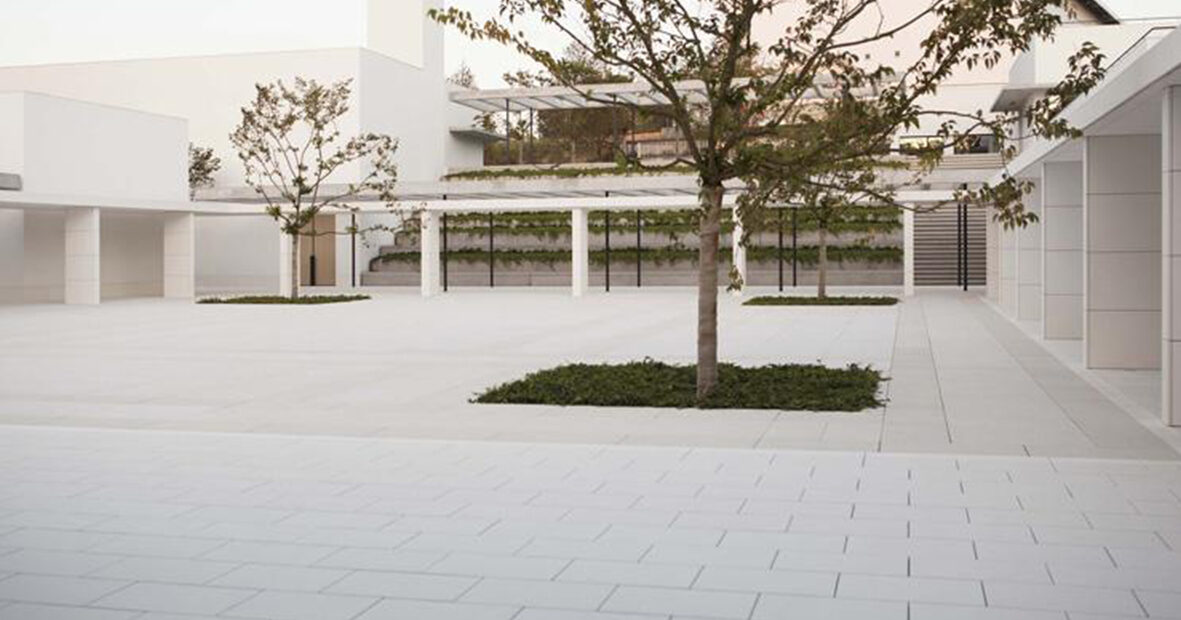
These targets open the door to materials and solutions that were little known until recently: pavements that clean the air, such as ecoGranic®, or systems that encourage cycling, such as the Biceberg® automated bicycle parking, installed in Singapore.
What it means for companies
For a company with a product or technology for cities, Singapore is much more than a market of five million people:
- It is a showcase. What works in Singapore catches the attention of governments and developers across Southeast Asia.
- There is real demand. The goals of Smart Nation 2.0 and the Green Plan 2030 call for new solutions in mobility, construction and the environment.
- It is a stable, open environment. Legal certainty, protection of intellectual property and ease of doing business.
Entering is not simple, though: there are technical standards, certifications, public tenders and a way of working of its own. Knowing the local rules and having someone on the ground makes all the difference. You can read more about the market in Why Singapore.
Frequently asked questions
What is the difference between a smart city and a digital city? A digital city offers online services. A smart city goes further: it uses data and technology to improve mobility, the environment, energy and public space as well.
Which is the smartest city in the world? According to the IMD Smart City Index 2026, Zurich, followed by Oslo and Geneva. Singapore ranks 9th in the world.
When did Smart Nation start in Singapore? In November 2014. Its second stage, Smart Nation 2.0, was launched in October 2024.
What is the Green Plan 2030? It is Singapore’s environmental plan for this decade. It includes the goal of 80% of buildings being green by 2030.